
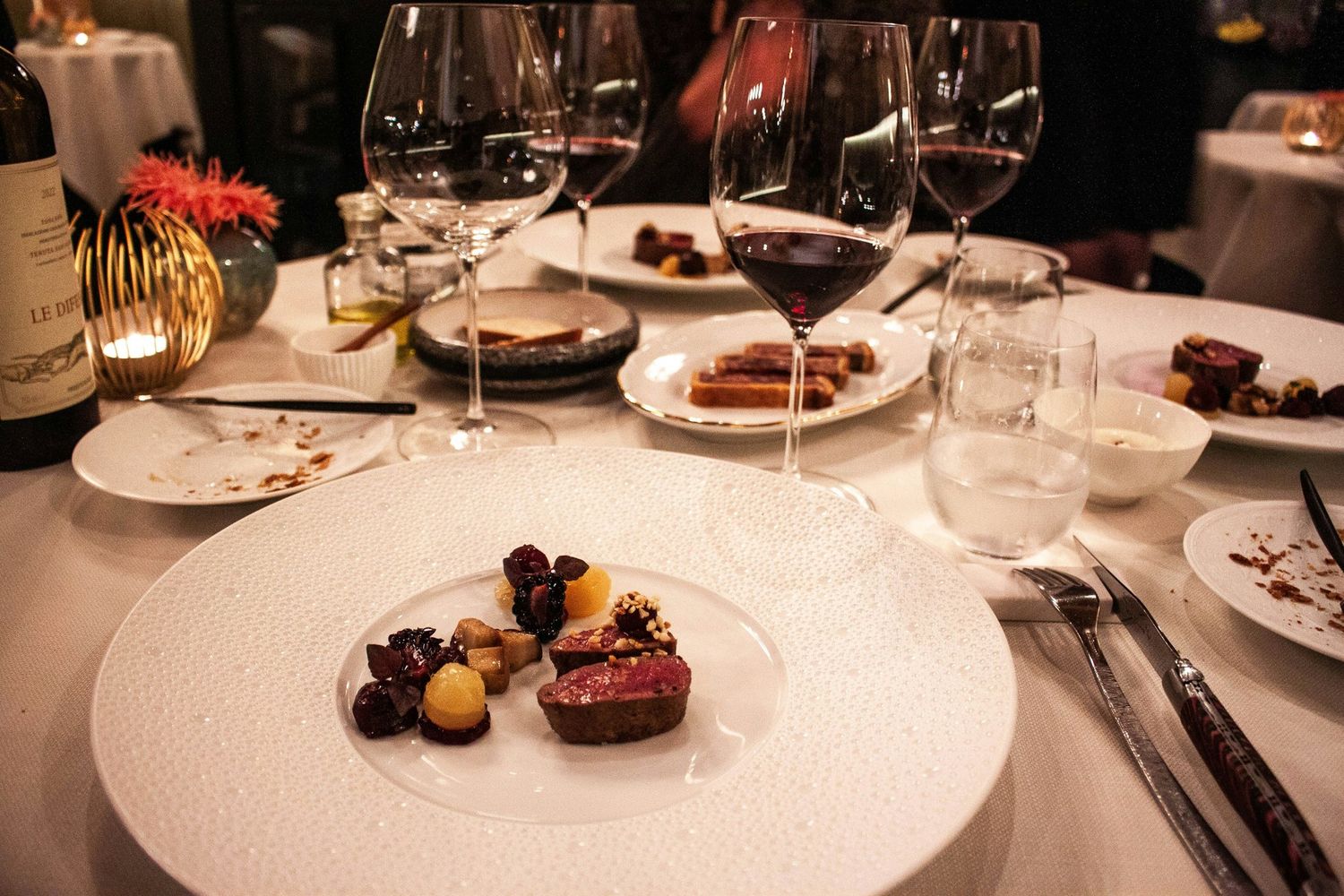
The chef is in the kitchen. You don’t have to decide dinner. Most days, you barely decide breakfast.
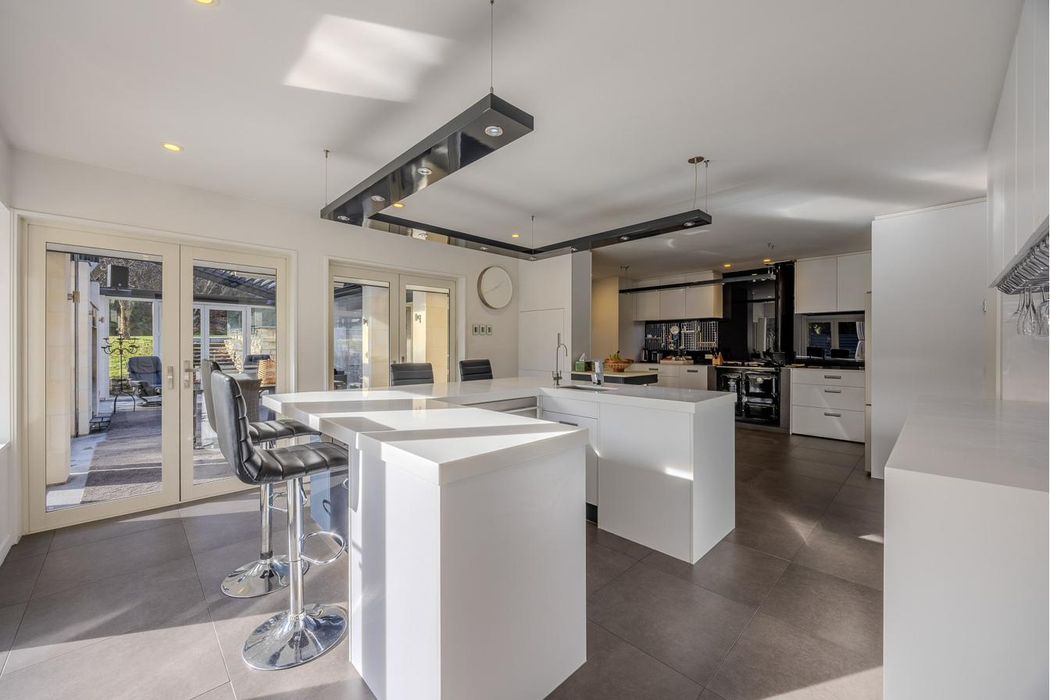
This is not a restaurant, and it is not a set menu. The kitchen is the heart of the house, and the chef cooks around you — your hours, your appetite, the mood of the table that night.
What “ready” actually means
It means the fridge is stocked before you land. It means a child who eats one thing in the world is quietly catered for. It means a birthday is handled without being announced, and a long lunch is allowed to drift into the afternoon because nobody is waiting on the table.
Some nights you want the full table — courses, candles, the good glasses. Some nights it is toast and the fire and an early bed. Both are correct. The chef reads the room.
Central Otago, on the plate
The cooking follows the place. Stone fruit and the garden in summer. Game and slow things in winter. Fish, lamb, and whatever the local growers are proud of that week. And the Pinot from down the road, because it would be rude not to.
Tell him what you feel like. Or don’t — he’s good at guessing.
How to brief Naia
The more Naia knows before you arrive, the less you decide once you are here. So tell her the useful things:
- Allergies, and the non-negotiables.
- The dishes you love — and the ones you never want to see again.
- The one meal that tastes like home.
- A celebration she should prepare for, and whether to mention it.
- Your arrival time, so the bread is still warm.
None of it is a form. It is a conversation, and Naia remembers it.
The point of it
A private chef does not make a stay fancier. It makes it quieter — one fewer decision, three times a day, for as long as you are here. That is the luxury. Not the plating.